All posts by AyurvedaKenya

AYURVEDA FOR PSORIASIS

Psoriasis is a long-lasting autoimmune disease characterized by patches of abnormal skin. These skin patches are typically red, itchy, and scaly. They may vary in severity from small and localized to complete body coverage. It is non-infectious and non-contagious. It is often seen in people between 15 to 40 yrs of age.

Symptoms of Psoriasis

 Some of the common symptoms of psoriasis are :

  • Raised, red patches of skin topped with loose, silvery scales, usually on the knees or elbows
  • Thick, red patches known as plaques, and dry, silvery scales appearing on the scalp, face, elbows, knees, palms, and soles of the feet.
  • Dry, cracked skin that may bleed
  • Joint swelling, tenderness, and pain
  • Thickened, pitted or ridged nails

Psoriasis is generally thought to be a genetic disease, which is triggered by environmental factors. Symptoms often worsen during winter and with certain medications such as beta blockers( Blood pressure medicines)  and NSAIDs (type of pain killers) Infections and psychological stress may also play a role.

According to Ayurveda Psoriasis can be considered as the vitiation of Vata and Kapha dosha.Uneven and unhealthy food habits, consumption of foodstuffs in the wrong combination (Example: dairy products with fish or chicken), too much intake of yogurt, black gram, seafood, excesses of sour and salted food stuffs, etc. can trigger the psoriasis inducing pathogenesis. Other catalysts that cause psoriasis includes stress, alcohol, and tobacco consumption

Treatment

There is no cure for psoriasis in modern medicine. However, various treatments can help control the symptoms. These treatments may include steroids, Vitamin D3 and immune system suppressing medications. However, Psoriasis can be effectively treated through Ayurvedic Rejuvenation and detoxification therapies.

CASE STUDY

Erythrodermic psoriasis

A  62 yrs old female  patient known case of Erythrodermic psoriasis, cervical spondylosis, Osteoporosis, Cardiac pace maker came with complaints of Psoriatic rashes all over body, stress, Insomnia, apathy, anorexia, hyperacidity, multiple joint pain, cervical pain, headaches.

History of present illness- Patient has been suffering from psoriasis since 30 yrs. Had tried all sorts of medicines from various doctors around the world, but nothing seemed to help her condition. Even she had used local as well as oral steroids for her condition, which had helped her for a while, however after 6 month she had developed very sever psoriatic rashes all over the body including scalp. Having lost hope in modern medicine patient had decided to go for Ayurvedic treatments.

Treatment-

As Stress plays very important role in aggravating the psoriasis condition, treatment was started with Shirodhara therapy for 7 days. After Shirodhara therapy scaling, redness and size of skin rashes went down, there was remarkable reduction in itching and irritability of skin.   After 7 days, 11-days Purgation therapy was given.Purgation helped to detoxify whole body system, removing dead cell and inflammatory mediators responsible for inflammation and thickness of Psoriatic skin rashes. Patient was kept on oral medication for 1 yr; this was associated with diet changes and exercise. Within one year patient got free from 30 yr old erythrodermic psoriasis.

Below are the photos showing effect Ayurvedic treatment on psoriatic patches before and after therapy-

Before therapy
Before therapy
Before therapy
Before therapy
After therpay
After therapy

Ayurveda Kenya

SUCCESSFUL MANAGEMENT OF MIGRAINE WITH AYURVEDA

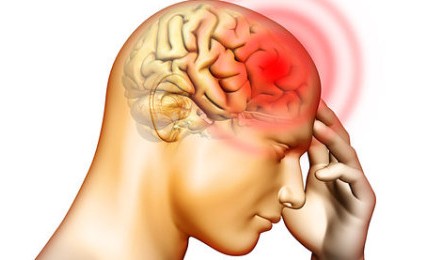
Migraine is defined as a very severe and recurring attack of headache accompanied by a feeling of nausea. The frequency of migraine headaches varies from one person to another, and so does their severity. In addition, there is a vast difference in the types of pains that are felt during attacks of migraine. Generally, the headaches in migraine are felt only on one side of the head.
Migraine has become a common disorder owing to modern lifestyle. From the perspective of Ayurveda, migraine headaches are due to a disorder in tridosha (Three functional energies ) migraines frequently occur when systemic pitta moves into the cardiovascular system, circulates, and affects the blood vessels around the brain. The blood vessels dilate due to the hot, sharp quality of pitta. This, in turn, creates pressure on the nerves, resulting in migraines.

Causes
Busy and hectic lifestyle Excessive smoking
Sudden changes of climate Continuous exposure to loud sound
Improper sleep pubertal changes in girls
Pregnancy in women Starvation
Continuous and prolonged exposure to toxins and chemical pollutants, including smoke and fumes

Causes Related to Diet
Monosodium glutamate, i.e. ajinomoto in food
Fermented foods
Excessive consumption oily- spicy food, dairy products, Tea, coffee and colas
Flesh foods that are not fresh
Dry fruits such as nuts and peanuts
Alcohol, etc

Causes Related to Medication
Excessive consumption of painkillers, withdrawal from painkillers
Birth control pills
Aminophylline, used by asthmatic patients
Reserpine, nifedipine and diuretics used by high blood pressure patients etc

What triggers migraine?
Stress, sleep disturbances, fasting, hormones, bright or flickering lights, odors, cigarette smoke, alcohol, aged cheese, chocolate, monosodium glutamate, nitrites, and caffeine. For some women, the decline in the blood level of estrogen during the onset of menstruation is a trigger for migraine headaches
The treatment of Migraine by Ayurveda follows a very systematic synergic pattern. The treatment is a three-point process, which is as follows:- Controlling the migraine attack, Reduce the exposure to triggering factors , Medication to prevent the future attacks.

Treatment Includes-
1. Purgation therapy (Virechana) – Regulates increased Pitta, Kapha and to increased over all health of vascular system.
2. Nasal infusion therapy (Nasya)- Regulates proper function of nervine system.
3. Dhara therapy- To reduce stress related issue responsible for severe headaches.
4. Breathing exercises
5.Diet according to body type and disease condition.
Ayurveda aims not only to cure the severity of the migraine attack, but also prevents the recurrence of attacks in the future.

Dr.Mangesh Mudgal
Resident doctor at Ayurveda Kenya

POTENTIAL OF AYURVEDA IN GERIATRIC CARE

Ageing is a process of physical, psychological and social change in multi dimensional aspects. Geriatrics is a specialty branch of medicine that focuses on health care of elderly people. It aims to promote health by preventing and treating diseases and disabilities in older adults. It differs from standard adult medicine because it focuses on the unique needs of the elderly person. The aged body is different physiologically from the younger adult body, Previous health issues and lifestyle choices produce a different constellation of diseases and symptoms in elderly people.
The cause of morbidity and mortality world over is shifting from communicable diseases, a few decades ago, to non-communicable diseases. The leading causes of mortality among aged people comprise respiratory problems, heart diseases, cancer and stroke. A significant cause of morbidity among this group is chronic inflammatory and degenerative conditions such as arthritis, diabetes, osteoporosis, depression, psychiatric disorders, parkinson’s disease and age related urinary problems.
The biggest challenge with geriatric diseases is that in most of the cases the condition cannot be attributed to a single cause or in certain conditions of neuro-psychiatric disorders like, Senile dementia, Alzheimer’s depression, the structural cause is unknown. In such cases, the conventional medical therapy fails to come out with effective management plan and hence is severely compromised. Another challenge is lack of health-promoting agents.
Ayurveda on the other hand has interventions like Rejuvenation therapies and medicines that enhance physiological processes that influence metabolic and immunological status. Such interventions are significant in the context of geriatric care.
Ayurveda, the holistic health science has the potential for prevention of diseases by promotion of health and management of diseases occurring in old age. It has a focused branch called Rejuvenation (Rasayana) which deals with the problems related to ageing and methods to counter the same.
Geriatrics or Jarchikits! or Rasayana in Ayurveda is a unique therapeutic methodology to delay ageing and to minimize the intensity of problems occurring in this degenerative phase of one’s life.
Rasayana and Panchakarma (Rejuvenation and detoxification therapies) are normally advised during the degenerative phase, that start at around 45 yrs of age in both male and female. It recharges the whole metabolic process of the body by eliminating the toxins and by nourishing each and every cell of the body. These therapies prevent all degenerative diseases and promote health status of an individual.
Panchakarma is beneficial for preventive, curative and rejuvenative health purposes and management of various systemic diseases. It is also widely prescribed for improving the quality of life in various incurable diseases.

Besides Rasayana and Panchakarma therapies, various single and compound Ayurvedic formulations, dietary and life style guidelines, Yoga and meditation helps in the effective management of Geriatric conditions. Prevention and management of health problems could help the elderly to improve quality of life and remain self-dependant for their daily activities to maximum possible extent.

Dr.Mangesh Mudgal

Resident doctor at Ayurveda Kenya

GET NATURAL FACE LIFT WITH AYURVEDA

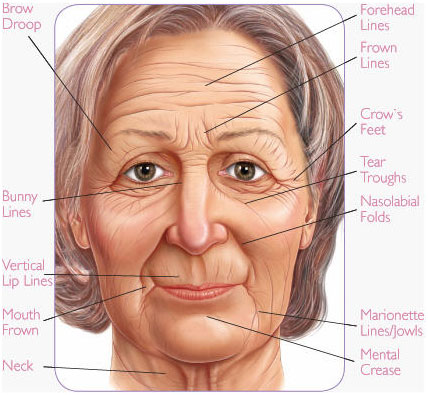
Sagging or wrinkled skin occurs naturally, as you get older. Folds and fat deposits appear around the neck. Deep creases form between the nose and mouth. The jaw line grows “jowly” and slack.
Genes, poor diet, smoking, or obesity can make skin problems start sooner or get worse faster.

Aging of the face is most shown by a change in position of the deep anatomical structures. These lead up to landmarks namely
1. An appearance of the jowl; a broken jaw line by dropping of the platysma muscle (muscle of lower jaw).
2. Increased redundancy of the nasolabial folds (They are the two skin folds that run from each side of the nose to the corners of the mouth. They separate the cheek from the upper lip) this caused by a descent of cheek fat.
3. Increased distance from the ciliary margin to the inferior-most point of the orbicularis oculi muscle (face muscle that closes the eyelids, surrounds the circumference of the orbit and spread over the temple and downward on the cheek). This caused by decreasing tone of the orbicularis oculi muscle.
4. The skin is a fourth component in the aging of the face.
A facelift can help repair some of the visible signs of aging. Fixing damage to skin, fat, and muscles can restore a “younger” look.

According to Ayurveda it happens as a result of vatta dosha aggravation, and imbalances in Pitta and kapha dosha.
Stress and modern lifestyles cause the muscles of the face, neck and shoulders to tighten and constrict leading to a restriction in supply of energy, oxygen and nutrients. The collagen and elastic fibers of the skin’s connective tissue become locked together, restricting the mobility of the facial muscles and giving a drawn appearance.

Available Treatment
There are multiple surgical techniques. It usually involves the removal of excess facial skin, with or without the tightening of underlying tissues, and the re-draping of the skin on the patient’s face and neck.
Risks from any surgery are, Infections, A pocket of blood under the skin, Damage to the nerves that control muscles of the face (this is usually temporary), Wounds that do not heal well, Pain that does not go away, Numbness or other changes in skin sensation etc.
Poor cosmetic results that may need more surgery include unpleasant scarring, Unevenness of the face, Fluid that collects under the skin, Irregular skin shape, Changes in skin color etc.

Ayurvedic treatments used are natural and noninvasive:

Ayurvedic therapies used for facelift are-
1. Mookhalepa – Includes marma massage of the upper back, shoulder, neck, head and face where we hold tension more, especially the shoulders which reflect on the face. Followed by medicated steam and application of herbal paste over face and neck skin.
Maram Massage followed by medicated steam, releases energy blockages improves blood and lymph circulation allowing free flow around the body.

2. Virechana (Purgation) – Helps to Detoxify and rejuvenate whole body system, targets other diseases responsible for aging process, increases tone, luster and elasticity of the skin.
3. Ayurvedic diet as per body and skin type, etc.
Shirodhara therapy & Nasya therapy can also be used as per the need of the patient.
These treatments lead to increased tone of facial muscles giving a more lifted appearance, reduced sagginess, softening lines and reduced wrinkles. It stimulates and improves function of lymphatic system and immune system, improvement in blood flow, oxygen and nutrients leads to improved complexion and texture of skin. . The freeing of restrictions in the connective tissue allows the fibers to slide past each other freely, giving suppleness and flexibility to the face. Soothes away stress and tension, giving a sense of deep relaxation and well-being.

Dr.Mangesh Mudgal
Resident Doctor at Ayurveda Kenya

MANAGING HIGH CHOLESTEROL WITH AYURVEDA

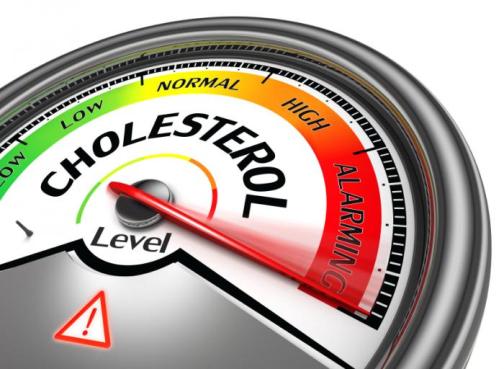
Abnormal cholesterol level—that is,higher concentrations of LDL (Bad cholesterol) and lower concentrations of HDL (Good cholesterol)—are strongly associated with cardiovascular disease like, Heart attack, stroke, and peripheral vascular disease.
As per Ayurvedic science unhealthy life style, improper diet and lack of physical exertion are among the major causative factors for abnormal cholesterol levels.
Case study-
A female patient known case of High cholesterol, Hypertension, Diabetes and obesity came with complaints of-
Uncontrolled high levels of cholesterol
Over weight
Swelling over both legs               – Sever breathlessness after brisk walk
Uncontrolled blood pressure  -Generalized weakness
Hyper acidity                                    – Indigestion
Palpitation                                          -Headaches
Dizziness                                             -Disturbed sleep

 cholesterol3
History of present illness
Patient had been suffering from above complaint for the last 3-4 yrs. Initially patient was kept on normal dosage of anti cholesterol medicine, to which she did not respond, doctor increased her medicines to max dosages. As patient was not responding to even higher dosage and being aware of adverse effects of these medications, she decided to take a second opinion and look into some different options.
Laboratory Investigations

Tests          Before Therapy        Normal range           After Therapy
HDL            2.31 mmol/L  N          1.68                               1.70 mmol/L
LDL             5.78 mmol/L            3.88                               2.5 mmol/L      N
TOTAL       9.35 mmol/L  H           5.17                               4.56 mmol/L   N
Triglycerides 2.76 mmol/L H     1.7                                  1.78 mmol/L   N

Treatment-
Keeping the severity of the disease in mind, specific Medicated enema therapy for 8 days was given, followed by Purgation therapy .Again lipid profile investigation was done; which has shown very promising results.
Symptoms like, swelling over both legs, Sever breathlessness after brisk walk, generalized weakness, Hyper acidity, Indigestion, Palpitation, Headaches, Dizziness, Disturbed sleep, disappeared completely during therapies. For the last 1 yr patient is maintaining normal cholesterol levels without taking any medication.
The three-fold approach of Ayurvedic science has prevented the onset of cardiovascular disorders, cured the disease and rejuvenated her whole body system. Like this, many other patients are getting benefits from our treatments.

Dr.Mangesh Mudgal
Resident doctor at Ayurveda Kenya

MANAGING OSTEOPOROSIS WITH AYURVEDA

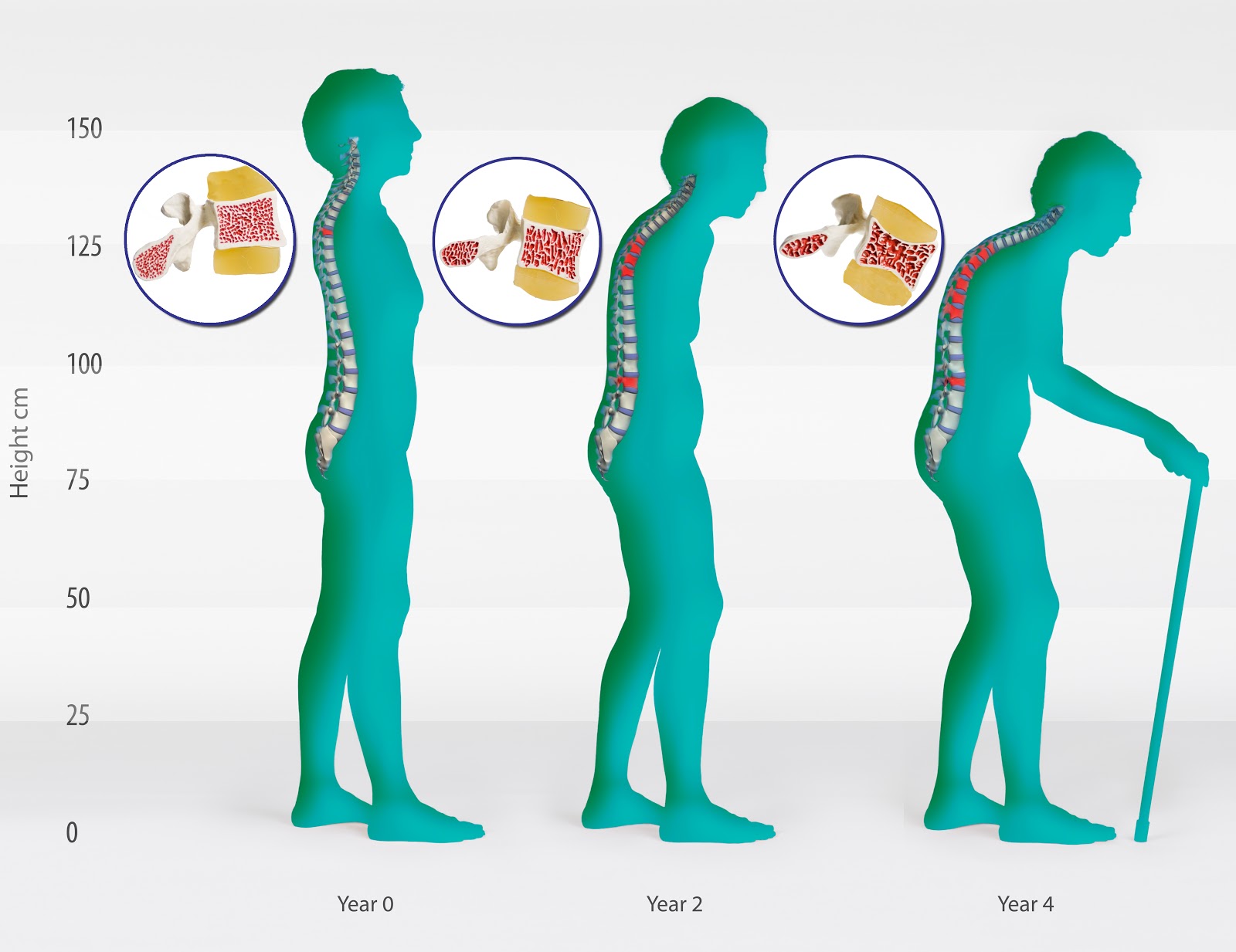
Osteoporosis meaning porous bones, a disease of bones leads to an increased risk of fracture. In osteoporosis the bone mineral density (BMD) is reduced, bone micro architecture deteriorates, and the amount and variety of proteins in bone is altered.

In Ayurveda osteoporosis is called as Asthishaya ( Asthi= bone and shaya= decrease) .i.e the condition in which there is decrease in bone tissue (Asthi dhatu) ,leading to undesirable effects.
Risk of osteoporosis can be avoided and can be cured in people with osteoporosis, with Ayurvedic treatments, which includes- Avoiding etiological factors, Proper diet, Panchakarma treatment, Oral medications and Rejuvenation.

Osteoporosis
-CASE STUDY-

A 65 Yrs old female patient came with complaints of, Lower back pain, Sometimes pain in Hip joints, Ribs Tremors in hands, Generalized weakness ,Indigestion, Skin rashes over lower extremities and Intermediately mild to moderate fever.
Osteoporosis itself has no specific symptoms; its main consequence is the increased risk of bone fractures. In this patient above symptoms were the results of inflamed joint capsules.
History of present illness– Patient had been suffering from Osteoporosis since 2008, while doing annual routine checkup Doctor had discovered osteoporotic changes in her Lumbar spine, Upper end of tibia (left) and patella (Knee cap).As patient was aware of conventional medicine treatments and consequences of the disease, she had decided to go for Ayurvedic treatments.
Lab tests- Bone mineral density test (BMD)–June 2008
Result Osteoporotic changes seen in lumbar spine, Upper end of the Left Tibia and patella.

Diagnosis– Osteoporosis

Treatment Given – Keeping disease condition in mind specific, medicated Enema (Basti) for 8 days was given, followed by oral medication for 1yr, Diet according to body type and Yoga.
Symptoms like Lower back pain, pain in Hip joint, Ribs Tremors in hands, generalized weakness and Indigestion went after couple of weeks of treatment. Again BMD was taken in Dec.2011 and the results were promising BMD was completely normal. Osteoporosis had been cured completely with Ayurvedic treatments.

Dr. Mangesh Mudgal
Resident doctor at Ayurveda Kenya